
Choosing a generator involves more than finding a unit with an attractive price or high output figure. Businesses, property owners, and project managers comparing generators Australia should first consider what equipment needs to be powered, how often the generator will operate, and whether it is intended for standby, prime, or more demanding applications.
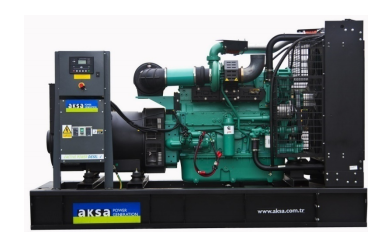
When reviewing generator sales Australia, it is helpful to compare the complete specifications rather than focusing on the generator's purchase price alone. Fuel consumption, operating environment, noise requirements, maintenance needs, and installation considerations can all affect the long-term suitability of a unit.
Three Questions That Make Comparison Easier
1. How will the generator be used?
For buyers considering a diesel generator Australia, the required power output and expected operating pattern are particularly important. Diesel units are commonly considered for applications requiring reliable power over extended periods, but the appropriate model depends on the specific load and site requirements. A generator intended for occasional emergency backup may have different requirements from one expected to operate regularly as a primary power source.
Consider:
• Frequency of operation
• Expected running hours
• Critical equipment requirements
• Future power needs
2. Where will it be installed?
The installation environment can influence generator selection.
Indoor, outdoor, remote, industrial, and commercial locations may have different requirements relating to ventilation, weather protection, access, noise, and safety.
The physical dimensions of the generator should also be considered alongside available installation space.
3. What will it cost to operate?
Purchase price is only one part of the overall cost.
Fuel consumption, servicing, replacement components, and maintenance requirements can influence the long-term expense of owning a generator. Comparing these factors can provide a more realistic picture of the investment.
Do Not Compare Power Ratings in Isolation
Power ratings are essential, but they should be understood in context.
Buyers should confirm the generator's rating, the intended duty, and whether the unit is suitable for the expected load profile. Allowing for appropriate capacity can also help accommodate changes in demand.
Professional advice may be useful where the electrical load is complex or critical.
Taking the time to compare these factors can help buyers make a more informed decision and select a generator that is appropriate for both current operations and expected future requirements.


0 comments:
Post a Comment