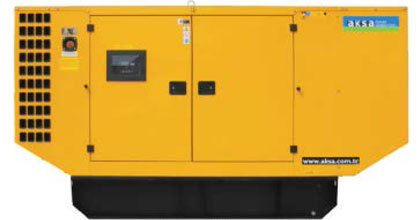
Natural gas generators are widely used across Australia for standby power, prime power, and industrial applications. Their appeal lies in cleaner fuel combustion, reliable performance, and lower operating emissions compared to some alternatives. However, the efficiency of a natural gas generator does not depend on fuel alone. The quality, compatibility, and maintenance of generator parts play a decisive role in how efficiently the system performs over time.
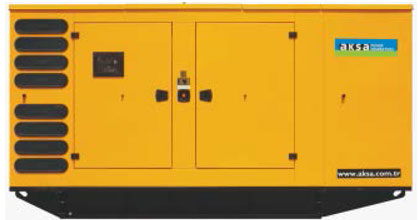
Understanding how individual generator parts in Australia affect efficiency helps businesses and facility managers make better decisions when sourcing and maintaining generator parts in Australia.
Why Generator Parts Matter for Efficiency
Natural gas generators Australia operate as a complete system. Each component must function correctly and work in harmony with others. Even a single underperforming part can reduce output, increase fuel consumption, and raise operating costs. In Australia, where generators often operate in varied climates and conditions, using the right parts becomes even more important.
Key Generator Parts That Influence Efficiency
1. Engine Components: The engine is the core of a natural gas generator. Components such as pistons, valves, spark plugs, and fuel injectors directly affect combustion quality. Worn or poorly matched engine parts can lead to incomplete fuel burn, reducing efficiency and increasing emissions. High-quality engine components designed for natural gas use ensure consistent power output and optimal fuel usage.
2. Fuel Delivery System: Efficient fuel delivery ensures the correct air-to-gas ratio during combustion. Regulators, mixers, and valves must be properly calibrated and in good condition. Faulty fuel system parts can cause fuel wastage, unstable performance, or frequent shutdowns.
3. Cooling System Parts: Natural gas generators generate heat during operation, and effective cooling is essential for efficiency. Radiators, fans, hoses, and thermostats prevent overheating and maintain stable operating temperatures. Inefficient cooling forces the generator to work harder, reducing overall performance and shortening component lifespan.
4. Exhaust and Emission Components: Exhaust manifolds, catalytic converters, and silencers influence back pressure and emission control. Excessive back pressure caused by damaged or incorrect exhaust parts can reduce engine efficiency and power output. Properly designed exhaust components support smooth gas flow and cleaner operation.
5. Electrical and Control Systems: Control panels, sensors, and voltage regulators manage generator performance and load response. Accurate sensors and reliable control systems allow the generator to adjust output efficiently based on demand. Outdated or faulty electrical parts can lead to inefficient load handling and unnecessary fuel consumption.
Importance of Locally Suitable Generator Parts in Australia
Australian operating conditions vary widely, from hot, dry regions to cooler coastal environments. Generator parts supplied in Australia are often selected or designed to handle these conditions. Using locally appropriate components helps improve durability, reduce maintenance issues, and maintain consistent efficiency throughout the year.
Investing in the right parts is not just about reliability; it is a practical step toward efficient and cost-effective power generation.