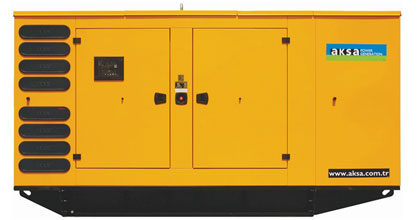
There are many different uses for generators in Australia. While commercial clients may need much larger systems that may support offices, workshops, refrigerators, communications equipment, or other crucial activities, residential purchasers could need a small unit for basic domestic equipment.
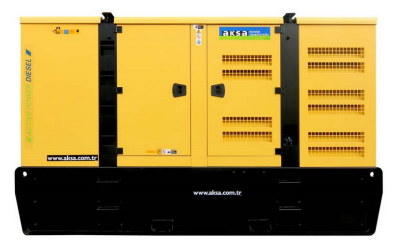
Once more, the needs of the construction and agriculture sectors may differ. When permanent electrical connections are not available, generator sales in Australia can be utilised to power machinery, lights, tools, and pumps in isolated locations. For outdoor activities like boating, camping, and caravanning, recreational users could also choose portable generators.
Transportable Generators for Adaptable Uses
One of a diesel generator in Australia is the most beneficial features may be its portability. Because they are portable, compact units are ideal for outdoor activities, small-scale building projects, emergency backup, and other short-term uses. The size and power of portable generators vary widely.
Although larger portable systems can offer far more power, they may need wheels, extra handling gear, or several people to move safely. The location and frequency of the generator's transportation will determine the optimal option.
Residential and Commercial Standby Power
A tiny portable generator is not the same as a standby generator. It is often erected in a fixed location and connected to a property's electrical system via the right equipment, as opposed to being relocated periodically.
Depending on the system setup, standby generation might offer automatic or quick backup during an outage for homes and businesses where consistent energy is especially crucial. Maintaining vital lighting, refrigeration, communications, security systems, and other infrastructure can benefit from this.
Adapting the Generator to Australian Circumstances
In hot and humid coastal regions, arid interior areas, agricultural properties, building sites, or isolated areas far from established infrastructure, generators could be necessary. The choice and upkeep of equipment can be impacted by environmental factors.
Extreme temperatures may have an impact on battery and engine performance, while dust might impair cooling systems and filters. When deciding whether standby generation is acceptable, businesses should take the effects of power outages into account. For one company, a brief outage could be inconvenient, but for another, it might cause serious operational interruption.